
CRD Allergy Test Preparation: Fasting and Medicines
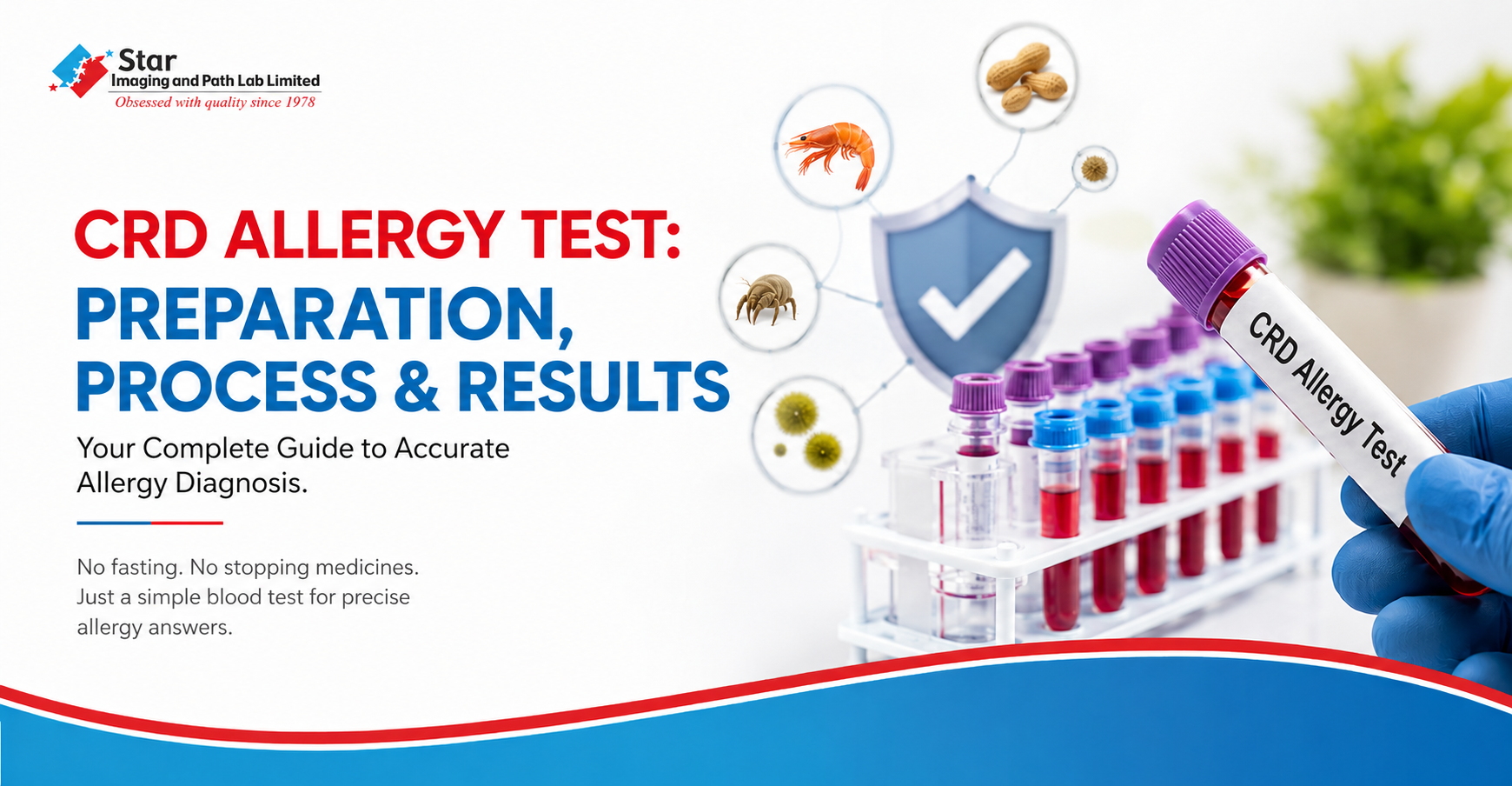
When you book a blood test, the first question in your mind is usually about food and medicine. Do you need to skip breakfast? Do you need to stop your regular allergy tablets? Will your daily medicines change the test report?
The answer is simple. A Component Resolved Diagnostics (CRD) test is a blood test. It measures allergy antibodies in your blood serum, not on your skin. Because of this, you do not need to fast overnight. You also do not need to stop your daily antihistamines before giving your blood sample.
Following these simple steps will help you prepare correctly for your test.
Understanding Component Resolved Diagnostics (CRD) Technology
Component Resolved Diagnostics (CRD) is an advanced allergy blood test. Traditional allergy tests only check if you are allergic to a whole food or substance, like milk or pollen.
Component Resolved Diagnostics (CRD) is an advanced allergy blood test. Traditional allergy tests only check if you are allergic to a whole food or substance, like milk or pollen.
CRD testing goes deeper by checking the exact protein inside that substance that causes your reaction, which is helpful when performing CRD testing for 7 major allergy types across food and airborne triggers.
-
Exact Protein Testing: It identifies the exact protein triggering your symptoms.
-
Cross-Reactivity Check: It shows whether your allergy is primary or caused by a similar protein from another source.
-
Severity Assessment: It helps your doctor know if your reaction will be mild or severe.
-
Better Health Decisions: It helps doctors design precise avoidance plans without unnecessary food bans.
Fasting Rules for CRD Allergy Blood Investigations
You do not need to fast before a Component Resolved Diagnostics (CRD) blood test. Food does not change the level of allergy antibodies in your blood.
Skipping meals will not make the test result more accurate.
-
Eat Normally: You can eat your regular breakfast or meals before visiting the lab.
-
Drink Water: Drinking water keeps your body hydrated and makes sample collection easy.
-
Other Combined Tests: If your doctor orders a sugar or lipid test along with CRD, you must follow the fasting rules for those specific tests.
Antihistamines and Prescription Medication Guidelines
Many people confuse blood tests with skin prick tests. A skin prick test needs you to stop allergy medicines because those medicines stop skin reactions.
A CRD blood test measures antibodies directly in your blood sample. Oral medicines do not change these antibody levels.
-
Antihistamines: You can continue your daily allergy tablets as usual.
-
Regular Medicines: Keep taking your daily medicines for blood pressure, thyroid, or diabetes.
-
Special Treatments: Tell your lab technician if you take high-dose steroids or specialized injections.
-
Doctor Prescription: Always bring your doctor's prescription with you to the lab.
Essential Steps Before Giving Your Blood Sample
Bringing your medical details to the laboratory helps the pathologist prepare a clear report. Understanding why allergy symptoms keep coming back often starts with gathering these accurate symptom patterns before your appointment.
A few simple steps will help complete your test without any delay.
-
Bring Old Reports: Carry your previous lab test reports and prescription lists.
-
Note Your Symptoms: Keep a record of when your symptoms start after eating or touching something.
-
Identify the Reaction Type: Knowing the difference between a true immune reaction and a digestive issue like food allergy vs food intolerance ensures you get the right investigation.
-
Choose a Certified Lab: Patients booking a CRD allergy test in Delhi should always select an accredited pathology center.
Interpreting Diagnostic Reports After Testing
A positive test result shows that your immune system has developed antibodies. Your doctor will match this result with your physical symptoms to confirm an allergy.
Pathologists study your protein patterns to guide your treatment without forcing you to avoid foods unnecessarily.
-
Consult Your Doctor: Always show your test report to a qualified doctor.
-
Avoid Unnecessary Food Bans: Do not stop eating healthy foods without medical advice.
-
Correct Treatment Plan: Accurate protein details help your doctor create a safe daily routine for you.
At Star Imaging and Path Lab Limited, advanced molecular testing helps you get clear and accurate health answers.
Frequently Asked Questions
Question:- Is fasting necessary for a Component Resolved Diagnostics (CRD) allergy test?
Answer:- No, fasting is not required. You can eat and drink normally before your sample collection.
Question:- Should I stop taking antihistamines before the test?
Answer:- No, antihistamines do not affect blood antibody levels. You can take your medicine normally.
Question:- Can I take my regular daily medicines on the test day?
Answer:- Yes, you can take your daily medicines for blood pressure, sugar, or other conditions as prescribed.
Question:- Does a positive Component Resolved Diagnostics (CRD) result mean I have an allergy?
Answer:- A positive result shows sensitivity in your blood. Your doctor must check your symptoms to confirm a real clinical allergy.
Question:- How is CRD different from regular allergy testing?
Answer:- Regular tests check the whole food or substance. CRD checks the specific individual proteins inside that substance.
Question:- Can I drink water before sample collection?
Answer:- Yes, drinking water is good because hydration makes blood collection smooth and simple.
Question:- What details should I share with my doctor before testing?
Answer:- Share your symptom timing, daily medicines, past test reports, and suspected allergy triggers with your doctor.


.png)
.png)
.jpg)
_vs_Covid-19_How_the_Two_Viruses_Differ_and_Why_It_Matters_(1).jpg)
.png)
.png)
.png)

Comments List