
Beyond Machines: The Human Side of Technology Driven Healthcare
.png)
India is witnessing one of the most important transformations in healthcare history. Not only because hospitals and diagnostic centres are expanding, but because technology itself is changing the way healthcare is experienced by patients.
For years, healthcare in India was largely reactive. People visited doctors when symptoms became unbearable. Diagnosis often depended on delayed investigations, limited imaging capabilities, and access that varied dramatically from one city to another. Today, that reality is evolving faster than ever before.
We have entered an era where technology is helping healthcare become more precise, more predictive, and far more patient focused.
At Star Imaging and Path Lab Limited, I have always believed that investing in healthcare technology is not about machines alone. It is about confidence. It is about giving doctors sharper clinical clarity. It is about helping patients receive answers earlier, faster, and with greater accuracy. Most importantly, it is about reducing uncertainty at a time when people need reassurance the most.
India today is no longer following global healthcare trends. In many ways, we are beginning to shape them. The pace at which advanced radiology systems, high end pathology automation, AI assisted diagnostics, and preventive healthcare platforms are being adopted across the country is remarkable. What was once available only in select international institutions is now becoming accessible to Indian patients as well.
The conversation around healthcare technology is also becoming more mature. Earlier, advanced equipment was often viewed as a luxury addition. Today, both doctors and patients understand that the right technology directly impacts diagnosis, treatment planning, clinical outcomes, and even emotional peace of mind.
Modern radiology is a strong example of this shift.
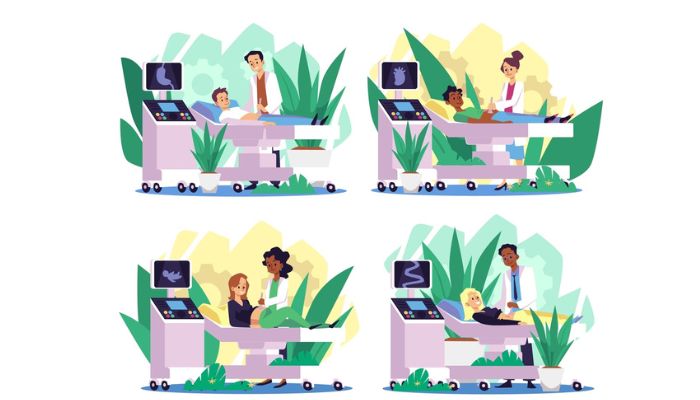
Advanced MRI systems today can capture extraordinary levels of anatomical detail. High precision CT imaging has drastically improved speed, clarity, and diagnostic confidence. Sophisticated ultrasound platforms are allowing clinicians to detect conditions earlier than before. Digital pathology and automation are improving consistency and reducing turnaround times.

These developments are not just technological milestones. They are changing human experiences inside healthcare.
A patient walking into a diagnostic centre today expects more than a report. They expect trust, speed, comfort, accuracy, transparency, and clinical excellence. Healthcare institutions that understand this shift are the ones that will define the future.
At Star Imaging and Path Lab Limited, our vision has always been aligned with this future focused approach. We continuously evaluate how emerging healthcare technologies can genuinely improve patient care rather than simply becoming a part of marketing conversations.
One of the most exciting developments for us is the upcoming installation of the Toshiba Aquilion ONE 640 slice CT scanner, a technology platform that represents the next generation of advanced cardiac and whole body imaging. The ability to capture highly detailed imaging with remarkable speed has the potential to significantly enhance diagnostic precision while improving patient comfort and reducing scan times.
What excites me most about modern healthcare technology is not the sophistication of the machine itself, but the possibilities it creates with regards to preventive healthcare.
India is gradually shifting from illness based healthcare to wellness based healthcare. More individuals are proactively investing in health checkups, cardiac screening, cancer detection, women’s health, and preventive diagnostics. Technology is becoming the backbone of this transformation.
Artificial intelligence is also playing a defining role in the next decade of Indian healthcare. AI will not replace doctors, but it will strengthen clinical decision making by improving workflow efficiency, identifying patterns faster, and supporting earlier intervention. The real future lies in combining medical expertise with intelligent technology in a way that still keeps healthcare deeply human.
Despite all advancements, empathy will always remain the most important part of medicine.
No machine can replace the reassurance of a doctor’s words, the sensitivity of a technician, or the trust a patient places in a healthcare institution. Technology should enhance human care, not distance us from it.
I believe India is uniquely positioned to become a global leader in technology driven healthcare. We have clinical talent, growing infrastructure, digital adaptability, and a population that is increasingly aware about health and wellness. The opportunity ahead is enormous.
The responsibility, however, is even greater.
As healthcare leaders, we must ensure that innovation is meaningful, ethical, accessible, and focused on patient outcomes. Because in the end, healthcare technology is not truly successful when it looks advanced. It is successful when it helps people live healthier, safer, and more informed lives.
That, in my opinion, is the real future of healthcare in India.



1.jpg)



.jpg)
.jpg)
Comments List