
Stroke Query Answered From Emergency Signs To Brain MRI
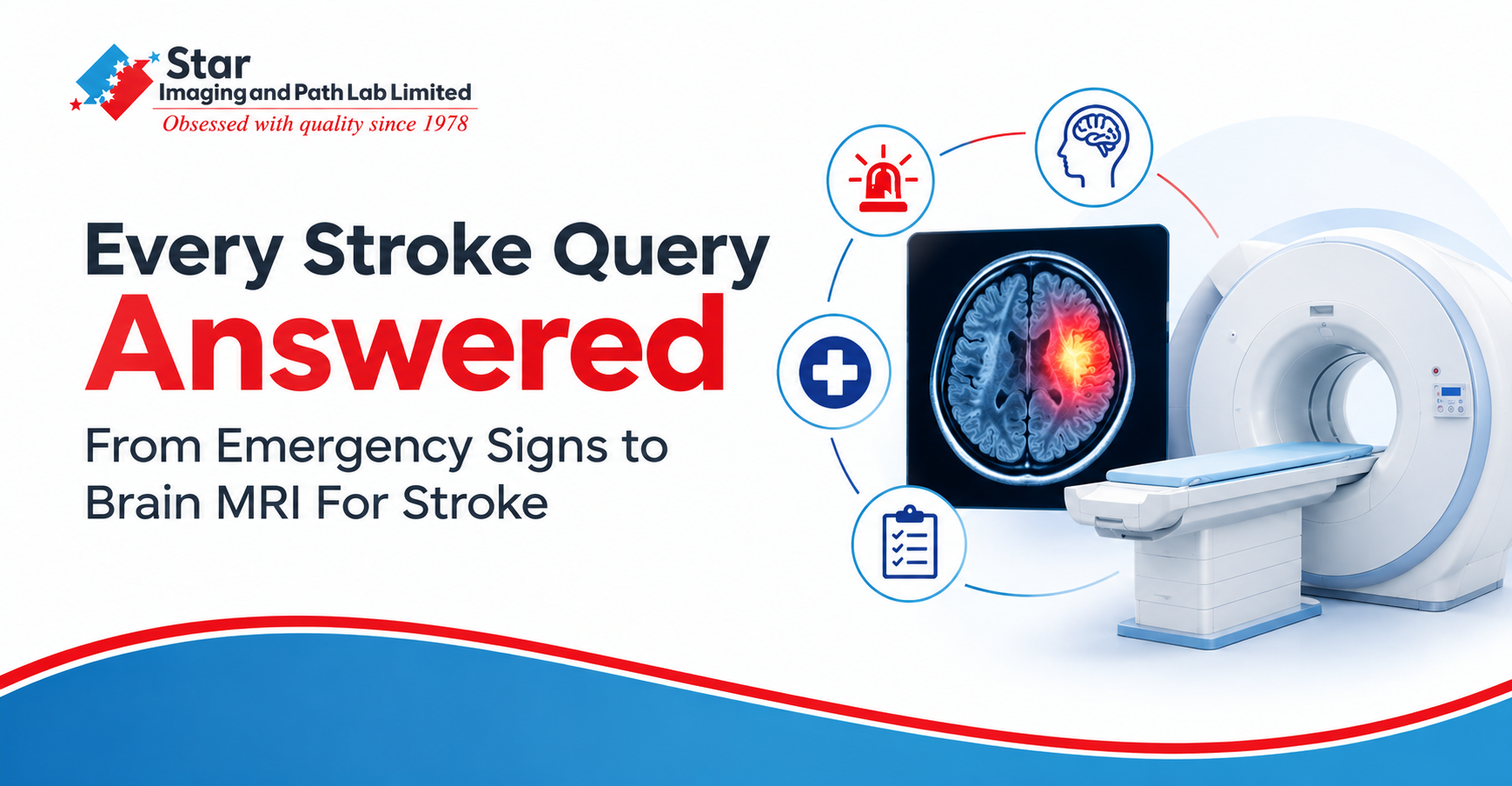
A stroke occurs suddenly when blood flow to the brain is interrupted or when a blood vessel begins to bleed, preventing brain cells from receiving oxygen. Recognizing the early signs of a stroke and understanding how doctors assess it can save lives and prevent permanent disability.
On World Stroke Day (October 29), Star Imaging and Path Lab Ltd. aims to raise awareness about recognizing early symptoms and undergoing timely diagnostic imaging.
Q1. What is a stroke and why is it considered a medical emergency?
Ans. A stroke occurs when blood supply to part of the brain is suddenly blocked or when a blood vessel in the brain bursts. Without blood flow, brain cells begin to suffer damage within minutes. Because brain cells in adults do not easily regenerate, immediate medical care is essential to prevent permanent injury.
Q2. How can you quickly recognize if someone is having a stroke?
Ans. You can use the FAST acronym to spot a stroke right away.
It stands for:
F (Face): Looking for facial weakness or uneven drooping on one side when smiling.
A (Arms): Checking if one arm droops downward when both arms are raised outstretched.
S (Speech): Listening for slurred speech or difficulty speaking and understanding words.
T (Time): Seeking immediate emergency medical care without delay
Q3. What is the difference between an ischemic stroke and a hemorrhagic stroke?
Ans. An ischemic stroke occurs when a blood vessel supplying the brain gets blocked by a blood clot. A hemorrhagic stroke happens when a blood vessel in the brain bursts and bleeds into surrounding tissue. While both produce similar symptoms, they require completely different medical treatments.
Q4. Is every stroke caused by a blood clot?
Ans. No. While the majority of strokes are ischemic and caused by a blood clot blocking an artery, others are hemorrhagic caused by a ruptured blood vessel. Identifying which type occurred is a critical step before starting any medication or treatment.
Q5. Why do doctors recommend a CT scan when a stroke is suspected?
Ans. A CT scan helps doctors quickly check for bleeding in the brain. Because clot-busting medications can be dangerous if bleeding is present, a CT scan is performed immediately to safely guide medical decisions.
Q6. Can a CT scan appear normal even when someone has had a stroke?
Ans. Yes. Some ischemic strokes may not show up clearly on a CT scan during the first few hours after symptoms start. Doctors evaluate the patient's physical symptoms and medical examination alongside scan results to decide if further testing is needed.
Q7. If a CT scan has already been performed, why might a Brain MRI scan still be needed?
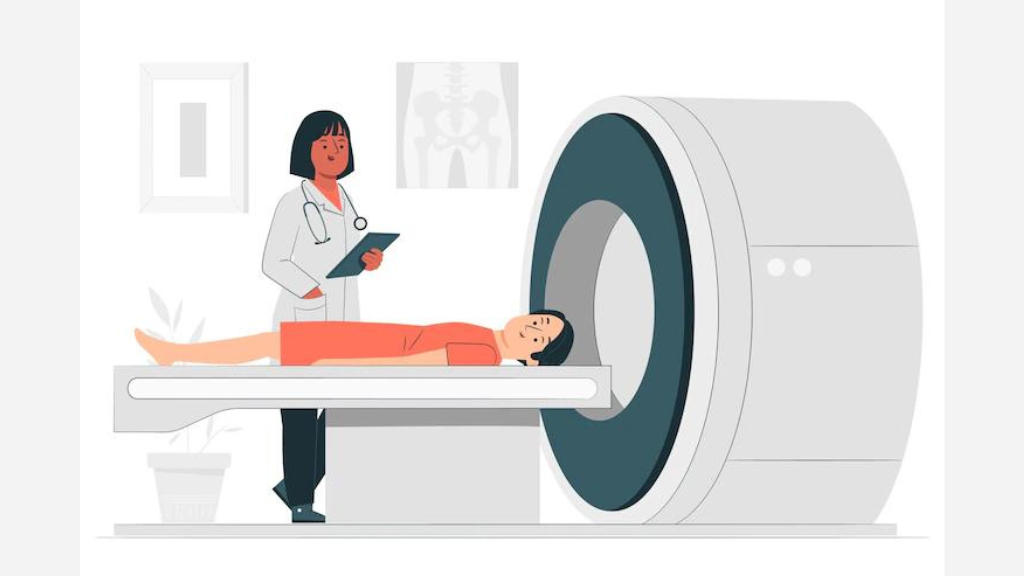
Ans. A Brain MRI scan can detect small or early ischemic changes within minutes of symptom onset that may not show on an initial CT scan. Doctors order an MRI when they need detailed information about affected brain tissue and blood vessels.
Q8. What is a "mini stroke" or TIA, and why is it dangerous?
Ans. A mini stroke, or Transient Ischemic Attack (TIA), happens when blood flow to part of the brain is temporarily reduced and then recovers on its own. Even though symptoms disappear within minutes, a TIA is a serious warning sign that a major stroke could occur soon if left unmanaged.
Q9. How quickly must stroke treatment be started?
Ans. Treatment should begin as soon as possible, ideally within the first 4.5 hours of symptom onset. During this critical time doctors can administer clot-busting medication to dissolve blockages. In certain major blockages, mechanical procedures to remove the clot can be performed for up to 6 to 8 hours.
Q10. How can people reduce their risk of having a stroke?
Ans. Managing key health numbers is one of the best ways to prevent a stroke.
Key health targets and lifestyle steps include:
Blood Pressure Management: Maintain blood pressure below 130/80 mmHg through prescribed medications and by reducing extra dietary salt (such as pickles, papads, and processed foods).
Blood Sugar Control: For individuals with diabetes, keep HbA1c levels below 7% to protect microvascular blood vessels from long-term damage.
Regular Physical Activity: Engage in 30 to 40 minutes of moderate exercise such as brisk walking, cycling, swimming, or yoga at least 5 days a week.
Lifestyle & Sleep Modifications: Quit smoking, avoid heavy alcohol consumption, manage emotional stress, and prioritize 7 to 9 hours of restful sleep each night.
Routine Diagnostic Checkups: Schedule regular blood panels (measuring HbA1c, Lipid Profiles, and Homocysteine levels) and preventive vascular imaging like a Carotid Doppler scan to detect arterial plaque or vascular inflammation before symptoms appear.
Protect Your Brain Health with Star Imaging and Path Lab Limited
Whether you are seeking proactive stroke risk screening, routine pathology testing, or advanced diagnostic neuroimaging, Star Imaging and Path Lab Limited provides complete, high-precision diagnostic care under one roof.
Our Dedicated Vascular & Stroke Diagnostic Services:
Advanced 3T Brain MRI & CT Angiography: High-resolution imaging to detect subtle ischemic changes, evaluate blood flow, and map brain tissue health.
Carotid Doppler Ultrasound: Non-invasive ultrasound screening to check for arterial plaque buildup or narrowing in the neck blood vessels supplying the brain.
Comprehensive Path Lab Stroke Risk Panel: Diagnostic blood testing including HbA1c (3-month average blood sugar) , Lipid Profiles, Serum Homocysteine, and hs-CRP to identify hidden vascular inflammation.
Preventive Health Checkup Packages: Customized screening panels designed for individuals with high blood pressure, diabetes, or a family history of stroke.
Don't wait for symptoms to appear, prioritize your vascular health today.
Visit Star Imaging and Path Lab Limited.





Comments List