
Beyond the Festivities: Why Preventive Health Deserves a Place on Your Calendar

Every festive season brings its own excitement. Homes light up for Diwali, families come together for Durga Puja, and Navratri and Dussehra fill the calendar with celebrations, travel and social gatherings. Between shopping, preparing festive meals and meeting loved ones, our schedules become busier than usual. Yet, amid all this activity, one important commitment often gets postponed: looking after our health.
Many of us wait until something feels wrong before scheduling a medical appointment or getting a health check-up. But good health is not just about addressing a problem when it appears. Preventive healthcare is about taking appropriate steps to assess health risks, follow recommended screening schedules and make informed decisions before concerns become more difficult to manage.
Why Preventive Health Matters Beyond the Festive Season
Festive routines can be enjoyable, but they may also mean irregular meals, less sleep, reduced physical activity and more time spent travelling or attending gatherings. These temporary changes are not necessarily harmful on their own. However, they can remind us how easily everyday health habits slip when life gets busy.
This is where preventive health deserves attention. A preventive health check-up can help assess specific aspects of your health, depending on your age, medical history and individual risk factors. Recommended blood tests, blood pressure measurements and other appropriate assessments may help identify certain health concerns, including some that do not cause noticeable symptoms in their early stages.
For instance, high blood pressure and raised blood glucose levels may go unnoticed for a long time. Regular screening, when recommended, can help identify these concerns and support timely medical advice. However, not every person needs the same investigations, and a routine check-up cannot guarantee that every health condition will be detected.
The important takeaway is simple: feeling well is encouraging, but it does not always tell you everything about your health.
Which Preventive Health Check-Ups Should You Consider?
There is no single health check-up package that is right for everyone. The appropriate preventive health screening schedule depends on several factors, including age, family history, existing medical conditions, lifestyle and individual risk.
A doctor may recommend routine blood tests to assess parameters such as blood glucose, cholesterol or other indicators, depending on your circumstances. Blood pressure checks and other basic health assessments may also be appropriate. Certain people may benefit from specific screening tests based on age, sex, family history or established risk factors.
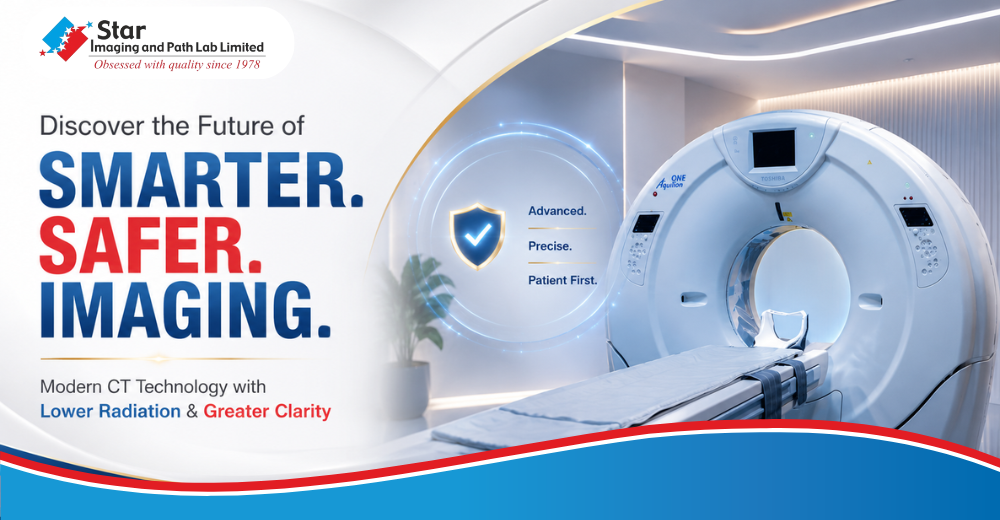
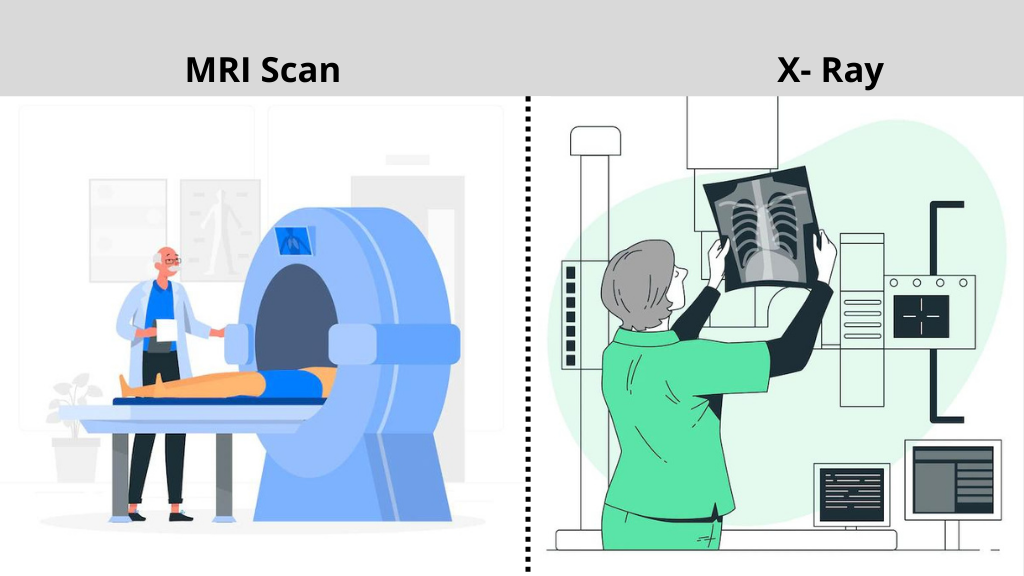
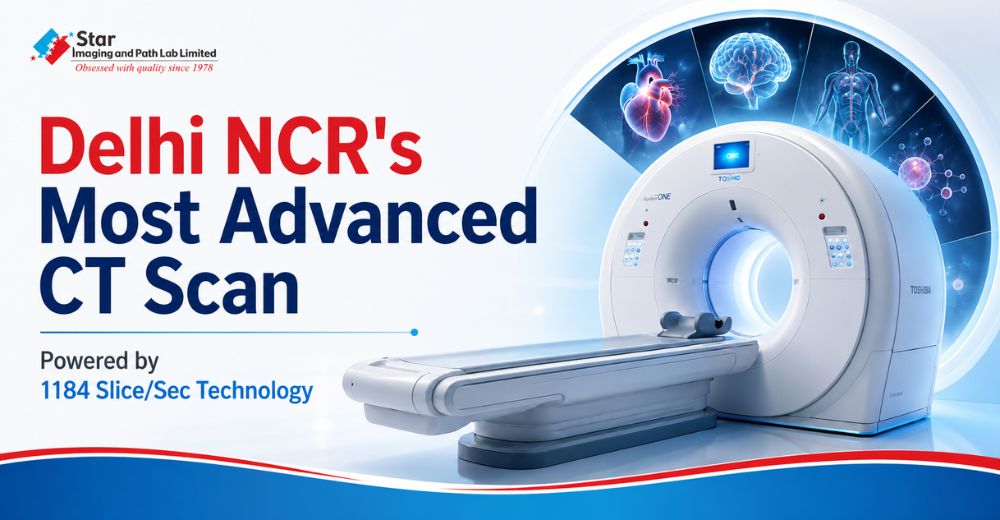
Diagnostic imaging, including ultrasound, mammography, CT or MRI, has an important role in evaluating particular medical concerns and in specific screening pathways where recommended. However, these investigations are not interchangeable, and advanced imaging is not automatically necessary as part of a routine preventive health check-up. The right test depends on the clinical question, and unnecessary testing can lead to avoidable costs, radiation exposure in some examinations and further investigations.
If you have a family history of a particular condition, have missed a recommended screening appointment or have concerns about a persistent symptom, discuss these with your doctor rather than relying on a generic full-body health check-up. Screening recommendations can differ considerably from one person to another.
Make Preventive Healthcare Part of Your Routine
The festive season offers a natural opportunity to look at the bigger picture of health. Alongside celebrations and family commitments, consider whether you are keeping up with recommended medical appointments, maintaining regular physical activity, getting sufficient sleep and following eating habits that support your wellbeing.
You do not need to schedule every possible test to take preventive health seriously. Start by discussing your health history and risk factors with a qualified medical professional, clarifying which screenings are appropriate and following through on any recommended investigations.
At Star Imaging and Path Lab Limited, diagnostic services, advanced imaging capabilities, pathology investigations and quality-focused processes support doctors in evaluating health concerns and guiding further medical decisions. The appropriate investigation is determined by individual clinical needs, not simply by the availability of a test.
Festivals remind us to make time for the people and traditions that matter to us. They can also remind us not to keep our own wellbeing at the bottom of the calendar. This season, alongside the plans you make for everyone else, make room for a thoughtful conversation about your health.
Because preventive healthcare is not about expecting something to go wrong. It is about taking informed, appropriate steps to look after yourself, throughout the festive season and beyond.
Frequently Asked Questions
Question: Is a full-body health check-up necessary if I have no symptoms?
Answer: Not necessarily. Feeling healthy does not rule out every medical condition, but a full-body health check-up is not required by everyone. The appropriate assessments depend on your age, family history, existing health conditions and individual risk factors. A doctor can help determine which tests are useful and which may be unnecessary.
Question: Which health tests should adults consider after the festive season?
Answer: There is no universal list of tests for everyone. Depending on your age and health profile, a doctor may recommend blood pressure measurement, blood glucose testing, cholesterol assessment or specific age-appropriate screening. If changes in your routine have highlighted concerns about your health, discuss them with a medical professional before choosing investigations.
Question: Can routine blood tests detect health problems before symptoms develop?
Answer: Certain blood tests can identify abnormalities associated with conditions such as diabetes, abnormal cholesterol levels and some blood-related or organ-related concerns. However, no routine blood test can detect every disease. The tests selected should reflect your symptoms, medical history and risk factors, and abnormal results may require further evaluation.
Question: When should you consider medical imaging as part of a health assessment?
Answer: Medical imaging is recommended when there is a specific clinical reason, such as evaluating symptoms, investigating a suspected condition or completing an appropriate screening pathway. Mammography, ultrasound, CT and MRI serve different purposes and are not interchangeable. Your doctor can advise whether an imaging examination is appropriate for your circumstances.
Question: How can I choose the right diagnostic centre for preventive health investigations?
Answer: Consider the centre's relevant accreditations, quality assurance processes, available diagnostic facilities, qualified reporting professionals and the suitability of its services for your prescribed investigations. It is also important to follow the preparation instructions for each test and discuss the results with your treating doctor, who can interpret them in the context of your overall health.








Comments List