
Full Body Health Check-up in India: Tests, Benefits and Who Needs It
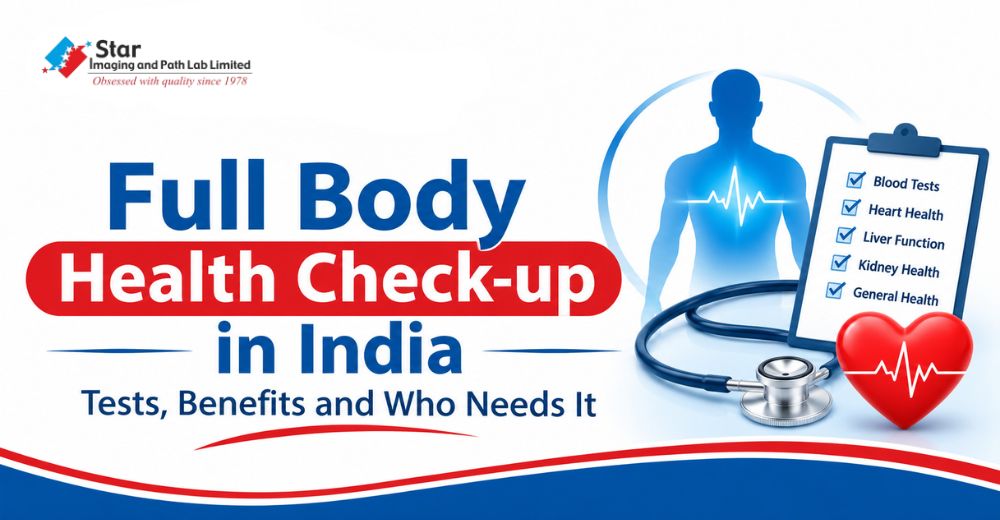
A full body health check-up in India can help adults assess important health parameters and understand potential risk factors. However, there is no single test list that suits everyone. The right full body check-up depends on age, family history, lifestyle, existing medical conditions and professional advice. A useful health check-up is not necessarily the one with the highest number of tests, rather it is the one that includes relevant investigations and supports appropriate medical follow-up.
What Tests Are Included in a Full Body Health Check-up?
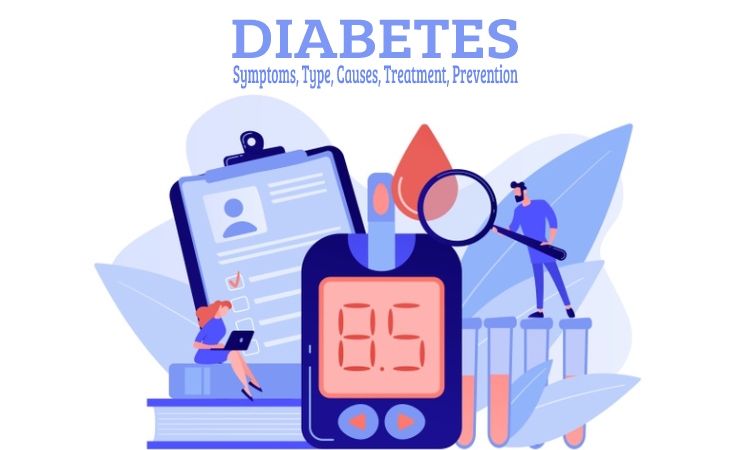
Most comprehensive full body check-up packages combine blood and urine investigations. A Complete Blood Count (CBC) evaluates haemoglobin, red blood cells, white blood cells and platelets. Blood glucose and HbA1c tests assess blood sugar levels and longer-term glucose control. A Lipid Profile measures cholesterol and triglycerides, while Liver Function Tests (LFT) and Kidney Function Tests (KFT) assess important markers of liver and kidney health.
A thyroid profile, commonly including TSH and sometimes T3 and T4, may be recommended depending on symptoms and medical history. Urine routine and microscopy provide information about urinary and kidney-related findings. Depending on age and individual risk, a doctor may also recommend vitamin tests, an ECG, abdominal ultrasound or specific cancer screening investigations. Since the full body check-up test list varies between diagnostic providers, reviewing the actual investigations is more useful than relying on the package name.
Who Should Consider a Full Body Health Check-up?
Adults with a family history of diabetes, hypertension, heart disease or other chronic conditions may benefit from a preventive health assessment. People with sedentary routines, tobacco use, excess body weight or other lifestyle-related risk factors should also discuss appropriate screening with their doctors. Indian public health guidelines recommend screening adults aged 30 and above for several non-communicable diseases, including diabetes and hypertension.
However, a check-up is not automatically required every year in the same format for everyone. Symptoms, pregnancy, medication use and previous abnormal reports can change which investigations are appropriate. Individuals already managing a medical condition may require a specific monitoring schedule based on their treating physician's recommendations.
Why More Tests Do Not Always Mean a Better Health Check-up
A package advertising 80 or 100 parameters is not necessarily more useful than one containing fewer, clinically relevant investigations. A single diagnostic panel can generate multiple reported parameters, while tests without a clear medical reason may produce unexpected findings requiring additional evaluation. Choosing a full body health check-up should therefore involve clinical relevance rather than simply comparing test counts or prices.
Test results also need proper interpretation. A value outside the laboratory reference range does not automatically confirm a disease, while a result within range cannot rule out every medical condition. Age, symptoms, medication, fasting status and medical history can influence results. A doctor should evaluate abnormal findings and determine whether repeat testing, medical imaging or further investigation is necessary.
How to Choose the Right Diagnostic Centre in India
When comparing full body check-up packages in India, look beyond discounts. Review the exact test list, laboratory quality practices, sample collection procedures and reporting timelines. For imaging investigations, equipment quality, appropriate scanning protocols and radiologist expertise are equally important. Check whether a package includes radiology investigations or laboratory tests alone, and confirm preparation requirements before booking.
As a pioneer and thought leader in diagnostic healthcare, Star Imaging and Path Lab Limited brings radiology and pathology together through a patient-focused diagnostic approach. Recognised as a leading diagnostic centre, Star Imaging emphasises diagnostic quality, advanced imaging and laboratory investigations that support clinicians in evaluating a range of health concerns.
Make Your Full Body Health Check-up Relevant to You
Before booking a health check-up, discuss your age, family history, lifestyle, symptoms and previous reports with your doctor. Confirm which investigations are recommended, whether fasting is necessary and how the results will be interpreted. A carefully selected combination of pathology tests and, where clinically indicated, radiology investigations can make a health assessment more meaningful than an indiscriminate list of tests.
If you are looking for a complete body health check-up, Star Imaging and Path Lab Limited offers comprehensive diagnostic services backed by expertise in radiology and pathology. To enquire about health check-up options or schedule an appointment, contact us at 011-45602200.
FAQs
Question: Which blood tests are most important in a full body health check-up?
Answer: Commonly recommended investigations include CBC, fasting blood glucose, HbA1c, Lipid Profile, Liver Function Tests and Kidney Function Tests. Thyroid testing and urine examination may also be advised depending on individual health requirements.
Question: Is a full body health check-up necessary if I have no symptoms?
Answer: The absence of symptoms does not always mean that every health parameter is within the expected range. Appropriate preventive screening can help assess risk factors such as diabetes, hypertension and cholesterol abnormalities. However, the investigations should be selected according to age, medical history and individual risk.
Question: Does a full body health check-up include MRI and CT scans?
Answer: Not necessarily. Most standard full body health check-up packages focus on blood and urine investigations. MRI and CT scans are specialised imaging procedures that are generally recommended for specific clinical indications rather than routinely performed as part of screening in healthy individuals.
Question: What is the difference between a full body check-up and an annual health check-up?
Answer: The terms are often used interchangeably, but their scope can differ. A full body check-up generally refers to a collection of laboratory and sometimes imaging investigations, whereas an annual health check-up may also involve a physician's assessment, review of medical history and age-appropriate screening recommendations.
Question: Can a normal full body health check-up report rule out all diseases?
Answer: No. Routine investigations evaluate selected health parameters and cannot detect every medical condition. Some diseases require specialised blood tests, radiological imaging, biopsies or other targeted investigations. Test results should always be interpreted alongside symptoms and clinical findings.






Comments List