
Low bone density in young people: causes other than calcium
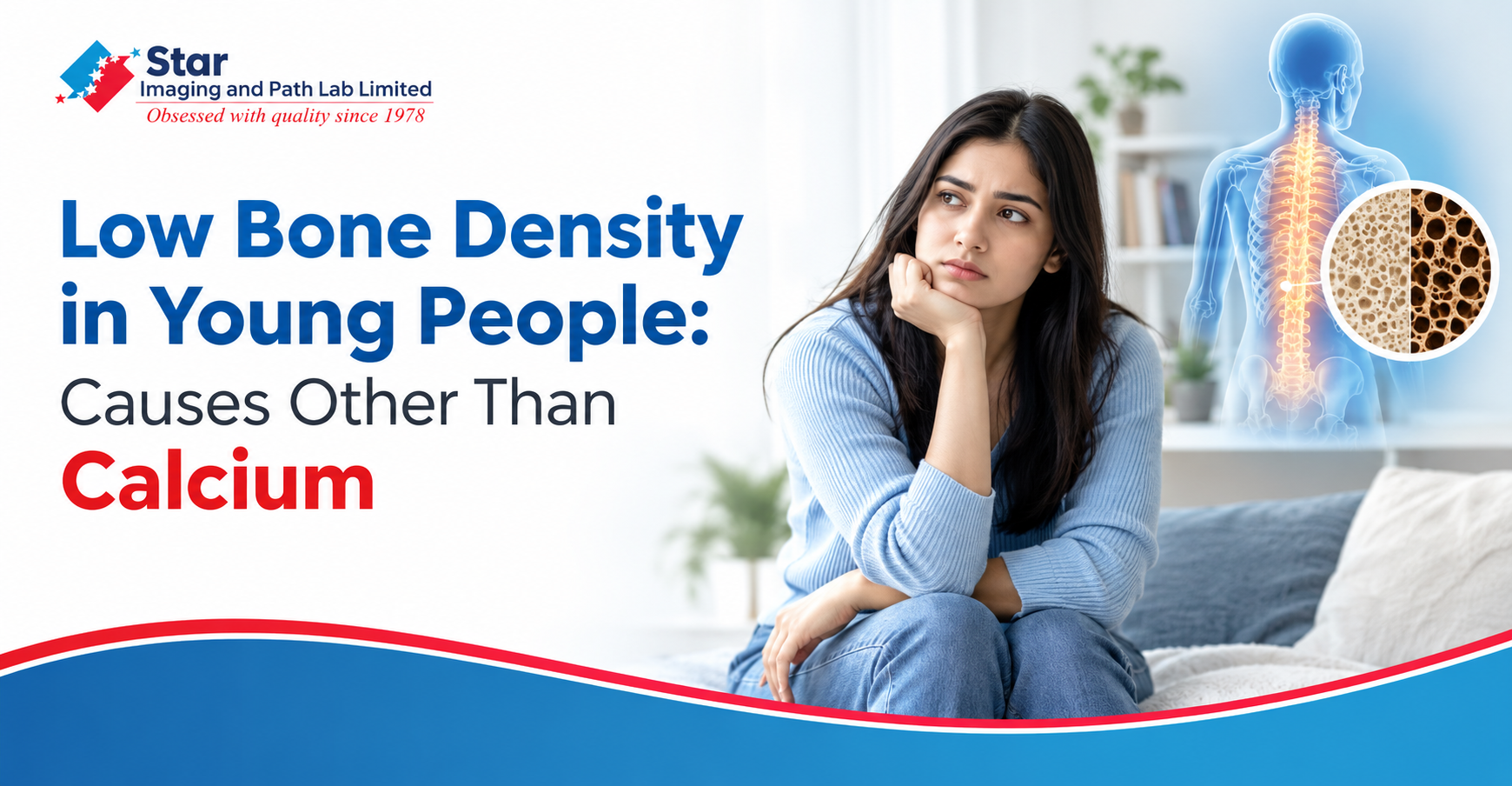
When a bone density report shows a low reading, calcium is often the first thing that comes to mind. While that is a good place to start, it is not always the complete solution.
Bones also depend on vitamin D, hormones, proper nutrition, and regular physical activity. In young people, certain medical conditions and medications can affect bone density. Understanding the underlying cause helps doctors determine what needs to be addressed.
What does low bone density mean?
A bone density test measures the amount of minerals present in a specific part of a bone. If the reading is lower than expected, it needs to be interpreted in the context of your age, medical history, and any previous bone injuries (fractures).
In young people, low bone density does not automatically mean osteoporosis. Doctors evaluate the reports of younger individuals differently than they do for older adults.
Causes of low bone density other than calcium
Vitamin D and Absorption
Vitamin D helps your body absorb calcium. If there is a deficiency of Vitamin D in the body, simply increasing calcium intake may not fully resolve the issue.
Conditions such as celiac disease can also affect the absorption of nutrients. This is why, when investigating low bone density, a doctor might ask you about digestive issues, changes in weight, and your dietary habits.
Hormonal Changes
Hormones help maintain a balance between the formation and breakdown of bone tissue.
A deficiency of estrogen in women, a deficiency of testosterone in men, or an excess of thyroid hormones can affect bone health. The persistent absence of menstrual periods is also a significant factor that should be discussed with a doctor. While these changes do not definitively confirm the presence of a bone-related condition, they can be helpful in understanding the underlying issue.
Inadequate Nutrition
Bones require sufficient food and nutrients, not just calcium.
Overly restrictive eating habits or eating disorders can have a detrimental effect on bone health. Engaging in excessive exercise without consuming enough food to meet the body’s needs can also be a cause for concern, especially if it leads to the disruption of the menstrual cycle (periods). The goal is not to avoid exercise, but rather to support physical activity with adequate nutrition.
Medications and Medical Conditions
Long-term use of corticosteroid medications such as prednisolone, can lead to bone loss. Additionally, certain anti-seizure medications, as well as conditions affecting the kidneys, digestive system, or hormone levels, can also contribute to this.
Share a list of your medications and your medical history with your doctor. Do not stop taking any prescribed medications or discontinue any treatments on your own.
Limited Movement
Bones undergo changes based on the load placed upon them. A lack of physical activity over an extended period due to illness or injury can negatively affect bone health.
Weight-bearing activities and muscle-strengthening exercises help support the bones. If you have a fracture or any known bone-related condition, consult your doctor to determine which activities are appropriate for you
Signs that need to be discussed
Low bone density often presents no obvious symptoms. General fatigue, body aches, or stiffness in the knees are not reliable indicators of whether your bone density is low.
A bone fracture resulting from a minor fall or injury is a significant reason to get checked. A reduction in height without an apparent cause or persistent back pain are also signs that warrant attention, though they could potentially stem from other causes as well.
Your doctor will consider these points alongside other factors, such as long-term use of certain medications, the absence of menstrual periods, other underlying medical conditions, and a history of previous bone fractures.
Tests that could be helpful
Blood Tests
Blood tests can help identify potential underlying causes. Depending on your medical history, a doctor might check for levels of vitamin D or calcium, or assess thyroid or kidney function. Other tests are performed only when there is a specific, valid reason for further investigation.
Not everyone requires the same set of tests.
BMD or DEXA Scan
A DEXA scan measures bone mineral density. A doctor may recommend this if a bone fractures following a minor injury, or if a medical condition or medication increases the risk of bone loss.
This is not a routine screening test for every healthy young person. Blood tests and DEXA scans provide different types of information; one cannot serve as a substitute for the other.
Understanding the Z-score
For premenopausal women and men under the age of 50, doctors generally prefer to use the Z-score to assess bone density.
The Z-score compares your results against the expected range for individuals of the same age and gender. A score of -2.0 or lower is considered "below the expected range for your age." A diagnosis of osteoporosis cannot be confirmed based solely on this score.
What should be done next?
The next step depends on the reason for the low reading. Whether it is due to nutritional deficiencies, a hormone-related condition, or a side effect of medication, each situation may require a different approach.
Adequate nutrition, appropriate exercise, and avoiding smoking are beneficial for bone health. Any supplements or medical treatments should be tailored to your individual needs, rather than following a generic "bone-strengthening" routine.
If your doctor has recommended a BMD (Bone Mineral Density) test, please contact 'Star Imaging and Path Lab Limited' for information regarding your appointment and instructions on how to prepare for the test. Also, bring your previous bone density report(s) along for comparison.
Frequently Asked Questions
Question 1: Can you have low bone density in your 20s even if you exercise regularly?
Answer: Yes. Exercise supports bones, but inadequate nutrition, hormonal changes, certain medicines or medical conditions can still affect bone density.
Question 2: Can you improve low bone density while you are young?
Answer: Improvement may be possible, depending on the cause. Addressing nutritional deficiencies or underlying conditions and following an appropriate exercise plan can help. Results vary.
Question 3: Should you take calcium supplements if your bone density is low?
Answer: Not automatically. Your doctor should assess your calcium intake and possible causes before recommending supplements. Calcium alone may not address the problem.
Question 4: Can you lift weights if you have low bone density?
Answer: Strength training can support bone health, but the exercises and weights should suit your fracture risk. Ask your doctor or physiotherapist for guidance before starting.
Question 5: Does a low Z-score mean you have osteoporosis?
Answer: Not by itself. A Z-score of −2.0 or lower means “below the expected range for age.” Doctors also consider fractures, medical history and underlying causes.







Comments List