
World Spine Day 2026: Your Spine Does More Than Keep You Upright
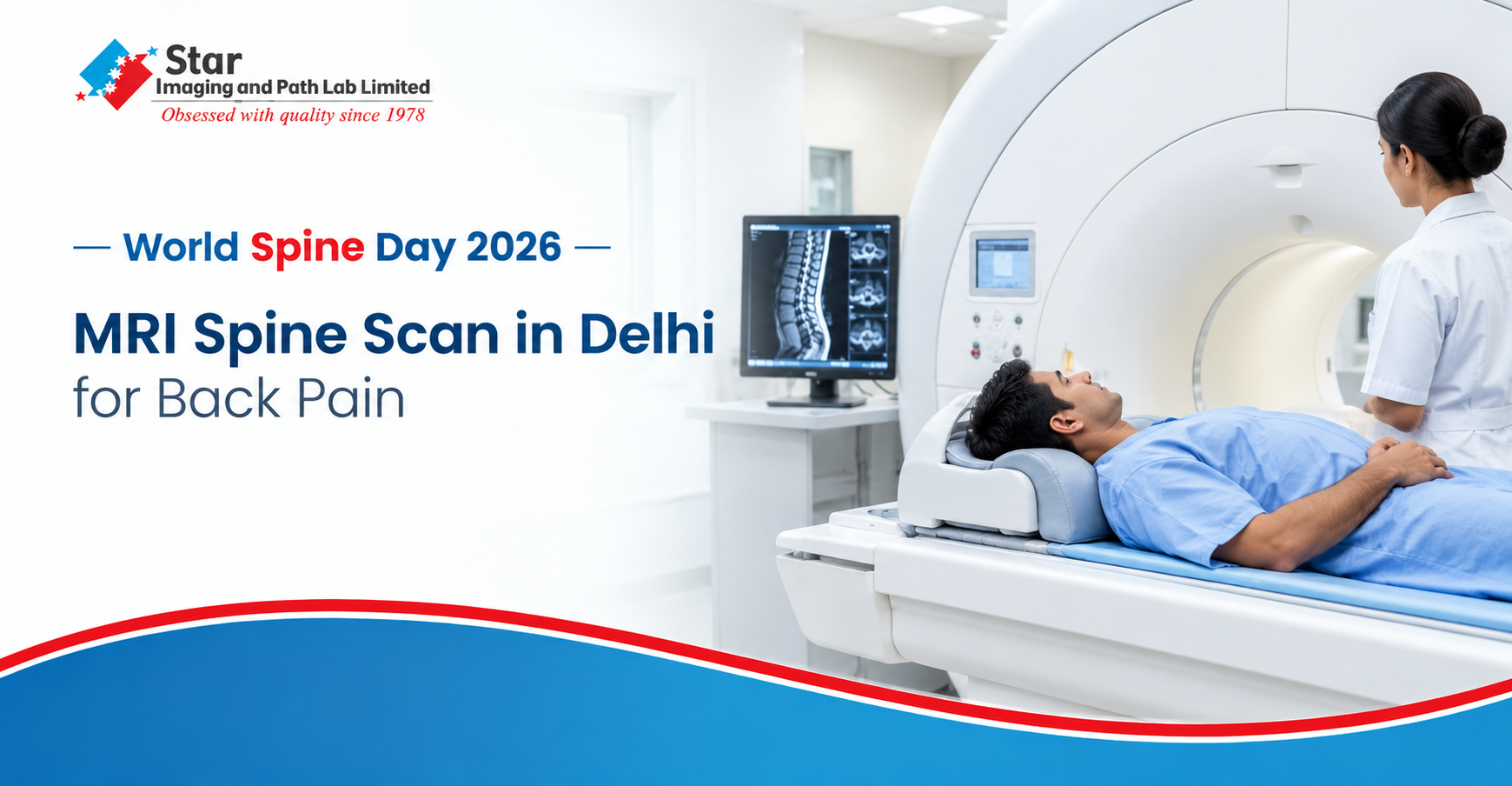
World Spine Day 2026, observed on 16 October, carries the theme “Spine Health for Life.” It reminds us that spinal health is not only about posture. It affects movement, independence, nerve function and everyday quality of life.
Every time you turn your head, bend to lift something, climb stairs or get out of bed, your spine is working quietly in the background. It supports your body, allows movement and protects the spinal cord, which carries important messages between the brain and the rest of the body.
Yet most people start thinking about spine health only when back pain or neck pain begins to interfere with daily life.
Why Spine Health Should Be a Daily Priority
Your spine is much more than a column of bones. It is a complex structure made up of bones, discs, joints, ligaments, muscles and nerves. Together, these structures help you sit, stand, bend, twist, walk and carry out everyday activities.
A healthy spine supports flexibility and stability at the same time. It also protects the spinal cord and nerve roots, which play an important role in movement, sensation and coordination.
This World Spine Day, the focus is simple: care for your spine throughout life, not only when pain appears. Regular movement, safe lifting habits, good posture at work and timely medical advice can all support long term spinal health.
Back Pain Is Common, but Do You Know the Real Cause?
Long hours at a desk, limited physical activity, repetitive movements, stress and improper lifting can strain the back and neck. But not every episode of back pain has the same cause.
Sometimes the discomfort may be related to muscles or ligaments. In other cases, it may involve the discs, nerves, joints or structural changes in the spine. Common spinal problems include:
-
A slipped or herniated disc
-
Nerve irritation or compression
-
Narrowing of the spinal canal, also known as spinal stenosis
-
Age related changes in the discs and joints
-
Injury or structural changes in the spine
A herniated disc, for example, can sometimes irritate a nearby nerve. This may cause pain that travels from the lower back into the buttock or leg, or from the neck into the shoulder or arm.
Because different spinal conditions can cause similar symptoms, persistent or recurring back pain should not automatically be blamed on posture, stress or ageing.
When Should You See a Doctor for Back or Neck Pain?
Mild back pain after a long day or an unusual activity often settles with rest, gentle movement and basic care. But some symptoms should not be ignored.
You should consult a doctor if your back or neck pain:
-
Keeps returning
-
Does not improve with time
-
Limits your normal movement
-
Travels into your arm or leg
-
Comes with tingling, numbness or weakness
-
Affects your sleep, work or daily activities
Seek urgent medical attention if back pain is accompanied by new loss of bladder or bowel control, numbness around the groin or saddle area, or rapidly progressing weakness in the legs or arms.
Staying active within your comfort, taking breaks from prolonged sitting, lifting correctly and maintaining a comfortable workstation can help reduce strain. However, if symptoms persist, a doctor can assess the cause and advise whether further evaluation is needed.
When Is an MRI Spine Scan Recommended?
Usually, a doctor begins with a clinical examination. They consider your symptoms, medical history, physical findings and how long the problem has been present.
An X-ray can show bone alignment and certain bony changes. An MRI spine scan provides more detailed images of the discs, spinal cord, nerve roots and surrounding soft tissues.
A doctor may recommend an MRI scan for back pain or neck pain when they need to assess:
-
A suspected disc herniation or slipped disc
-
Nerve compression or irritation
-
Spinal canal narrowing
-
Certain spinal injuries
-
Persistent pain that does not improve with conservative treatment
-
Numbness, tingling or weakness in the arms or legs
A cervical spine MRI examines the neck region, while a lumbar spine MRI focuses on the lower back. The right scan depends on the location of your symptoms and the clinical question your doctor needs to answer.
Do You Need an MRI for Every Episode of Back Pain?
No. Many cases of back pain improve with appropriate conservative management and do not require advanced imaging.
An MRI spine scan is generally recommended when symptoms persist despite initial treatment, when examination findings suggest nerve involvement, or when the doctor suspects a condition that needs closer assessment.
The decision should always be made by your treating doctor. A scan is most useful when it helps answer a specific medical question and is interpreted along with your symptoms and clinical examination.
Why the Right MRI Scan and Expert Reporting Matter
An MRI scan is not only about the machine. The quality of the images, the correct scanning protocol and the expertise of the radiologist all play an important role.
Modern MRI systems can produce detailed images of spinal structures. But the real value lies in choosing the right examination, obtaining clear images and interpreting the findings in the context of the patient’s symptoms.
At Star Imaging and Path Lab Limited, advanced radiology technology, including 3T MRI facilities, supports detailed diagnostic imaging when clinically required. With centres across Delhi, including Tilak Nagar, Vikaspuri, Pusa Road and Najafgarh, Star Imaging offers MRI and other diagnostic services under one roof.
If your doctor has advised an MRI spine scan in Delhi, the appropriate examination should be selected based on your symptoms and clinical assessment. The findings should then be understood alongside your overall health and medical history.
Frequently Asked Questions About MRI Spine Scans
Q - Can an MRI spine scan identify the cause of pain travelling from the back into the leg?
A - Yes, it can help. An MRI may identify structural problems such as a herniated disc or narrowing around a nerve that could explain pain travelling from the lower back into the leg. However, scan findings must be matched with your symptoms and clinical examination, because not every abnormality seen on MRI causes pain.
Q - What is the difference between a cervical spine MRI and a lumbar spine MRI?
A - A cervical spine MRI examines the neck portion of the spine, including the discs, spinal cord and surrounding structures. A lumbar spine MRI focuses on the lower back, where disc problems or nerve compression may cause pain that spreads into the buttocks or legs.
Q - Does every case of persistent back pain require an MRI?
A - No. Many cases improve without advanced imaging. A doctor may recommend an MRI when pain persists despite treatment, when nerve involvement is suspected, or when a more serious underlying condition needs to be ruled out.
Q - Can an MRI show nerve compression even when an X-ray appears normal?
A - Yes. An X-ray mainly shows bones and alignment, while an MRI provides detailed images of discs, nerves, the spinal cord and soft tissues. Certain disc herniations and causes of nerve compression may therefore be assessed more effectively with MRI.
Q - Does a 3T MRI automatically give a better diagnosis than every other MRI scanner?
A - Not automatically. A 3T MRI has a stronger magnetic field than a 1.5T system and may offer advantages in image clarity and certain applications. But the final diagnostic value also depends on the scan protocol, image quality, clinical question and expert interpretation.








.png)
-Star.jpg)


Comments List