
Hepatitis Testing in Delhi: When Should You Get Tested?
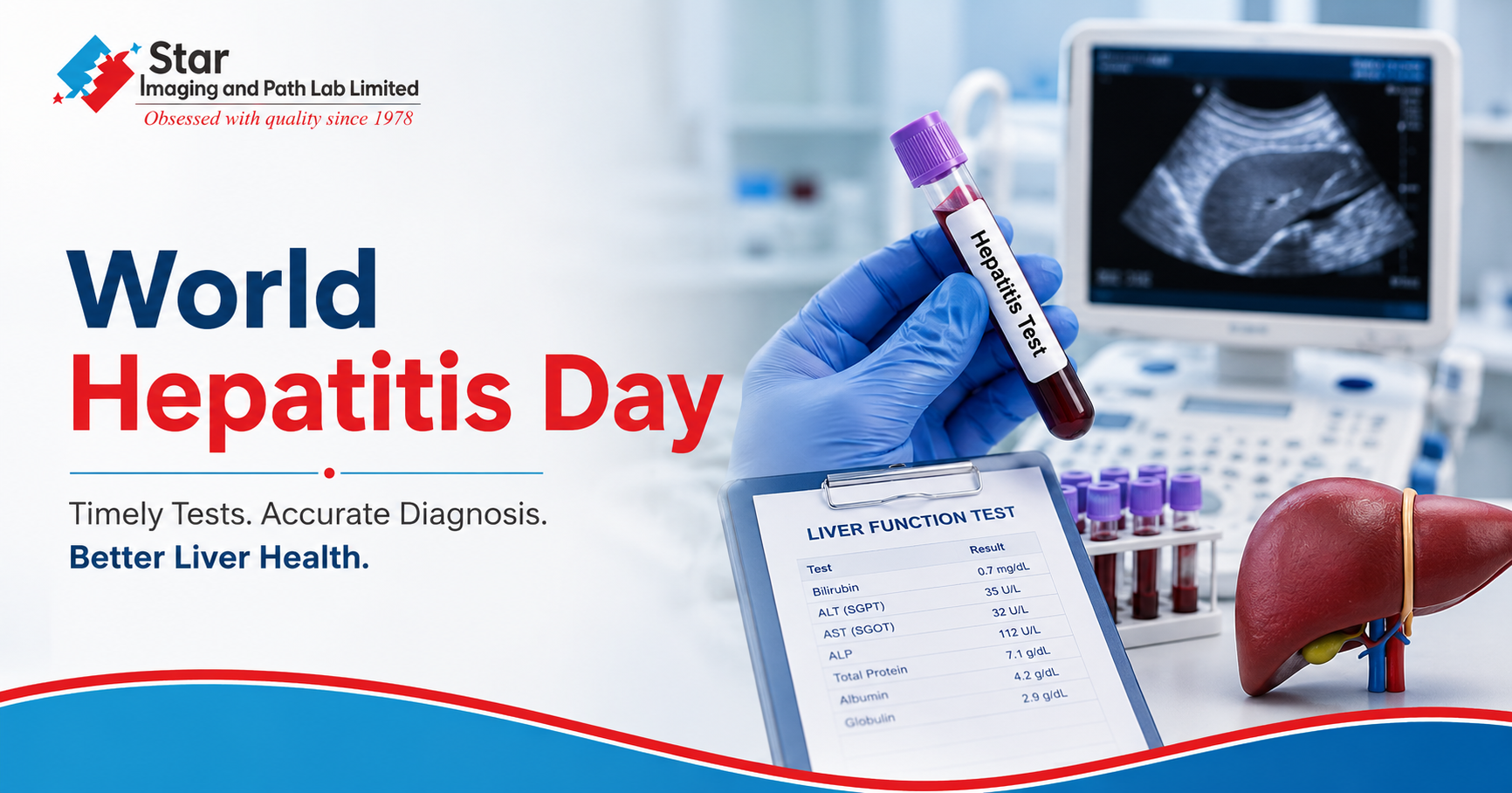
On the occasion of World Hepatitis Day, it becomes especially important to talk about liver health, early detection, and timely diagnosis. Hepatitis is a condition that often develops silently, and many people may not realise there is a problem until it is detected during a routine test or medical evaluation.
If you are thinking about Hepatitis Testing in Delhi, the most important question is not just where to get tested, but when and why testing is needed. Understanding this can help you take the right step at the right time.
Why World Hepatitis Day Is Important
World Hepatitis Day is an opportunity to raise awareness about viral hepatitis and its impact on liver health. It also reminds us that timely diagnosis can play an important role when there is a concern about a possible liver condition.
Hepatitis refers to inflammation of the liver and can occur due to different causes. Viral hepatitis is one of the important causes and includes hepatitis A, B, C, D and E.
These types are different from one another, and the tests used to investigate them may also differ. This is why understanding the reason for testing is just as important as getting the test itself.
Why Can Hepatitis Go Unnoticed?
One of the challenges with hepatitis is that it may not always produce noticeable symptoms in the early stages. Some people may experience symptoms, while others may feel completely well.
In some cases, a concern about liver health may only come to light when a person undergoes a routine blood test or a medical evaluation for another reason.
Depending on the individual situation, a doctor may recommend further investigation when there is:
-
An unexplained change in liver-related blood test results
-
A possible exposure to a hepatitis virus
-
Symptoms that require further medical evaluation
-
A previous abnormal investigation report
-
A known risk factor for viral hepatitis
-
A need to monitor an existing liver condition
The decision to test should always be based on the individual's medical situation and the advice of a healthcare professional.
What Tests May Be Recommended for Hepatitis?
There is no single test that can answer every question about hepatitis. The investigation recommended by a doctor depends on the type of infection being considered and the reason for testing.
Blood tests are commonly used to investigate viral hepatitis and assess certain aspects of liver health. Depending on the situation, a doctor may recommend specific hepatitis markers along with other liver-related investigations.
Hepatitis B Testing
For hepatitis B, doctors may recommend blood tests that look for specific markers associated with the infection.
One commonly known test is HBsAg, or hepatitis B surface antigen. Other hepatitis B markers may also be recommended depending on the patient's clinical history and the information required.
The results are interpreted alongside other relevant findings rather than in isolation.
Hepatitis C Testing
For hepatitis C, an anti-HCV antibody test may be used as an initial screening investigation.
A reactive result indicates exposure to the virus at some point, but it does not by itself confirm whether an active infection is currently present. Further testing may be recommended by the doctor when required.
This is why patients should avoid interpreting a screening result on their own. The meaning of a result depends on the individual's medical history and other clinical information.
Why Are Liver Function Tests Important?
When a doctor is investigating a possible liver condition, they may also recommend blood tests that provide information about liver health.
Depending on the clinical requirement, these may include:
-
ALT
-
AST
-
Bilirubin
-
Albumin
-
Other relevant liver-related markers
These tests can help identify changes associated with liver injury or altered liver function.
However, abnormal liver-related results do not always point to one specific cause. Several conditions can affect these markers.
For this reason, doctors consider blood test results alongside symptoms, medical history and other investigations before deciding on the next step.
If you are searching for a Hepatitis Test in Delhi, it is important to understand that hepatitis testing and liver function testing are not necessarily the same thing. Your doctor may recommend one or several investigations based on your individual situation.
Can Imaging Help Assess the Liver?
Blood investigations provide valuable information, but sometimes doctors may also recommend imaging to understand the condition of the liver more clearly.
The type of imaging required depends on what the doctor is trying to assess and the patient's clinical situation.
Ultrasound of the Liver
An ultrasound examination may be recommended to assess the liver and other abdominal structures.
It can provide information about the appearance of the liver and may help identify certain structural changes that require further evaluation.
However, ultrasound and blood tests provide different types of information. One does not necessarily replace the other.
FibroScan and Liver Fibrosis
For some patients with chronic liver conditions, doctors may recommend an assessment of liver stiffness or fibrosis.
FibroScan uses transient elastography to measure liver stiffness. It is a non-invasive examination that may help assess liver fibrosis in appropriate clinical situations.
It is not required for every person being investigated for hepatitis. The decision depends on the patient's medical history, existing findings and the recommendation of their healthcare provider.
What If Your Test Result Is Abnormal?
An abnormal test result can naturally cause concern. However, one abnormal result does not always provide the complete picture.
Your doctor may consider:
-
The specific test that was performed
-
Your symptoms and medical history
-
Previous investigation reports
-
Other blood test results
-
Imaging findings, where relevant
Depending on the situation, additional testing or further medical evaluation may be recommended.
For example, a screening result may require additional investigation to understand whether an infection is currently active. Similarly, an abnormal liver-related blood test may need further evaluation to understand the possible reason.
The important thing is not to self-diagnose based on one report. A laboratory result should always be interpreted in the context of your overall health.
When Should You Consider Hepatitis Testing?
There is no single answer that applies to everyone. The need for testing depends on the type of hepatitis being considered, your medical history, symptoms and possible risk factors.
If your doctor recommends testing, it is important to understand which investigation has been advised and what it is intended to assess.
For someone searching for Hepatitis Testing in Delhi, the right starting point is to speak with a healthcare professional and understand the investigation appropriate for your situation.
Once the required test is clear, you can choose a diagnostic centre that provides the relevant investigation.
Choosing the Right Diagnostic Centre
When a doctor recommends a diagnostic investigation, patients naturally want a centre that is convenient and provides a reliable testing experience.
Before booking your test, it is useful to check whether the specific investigation recommended by your doctor is available.
You may also want to understand whether any preparation is required before the test and when you can expect your report.
At Star Imaging and Path Lab Limited, our role is focused on diagnostic investigations and imaging that support the clinical evaluation recommended by healthcare professionals.
If you have been advised to undergo a Hepatitis Test in Delhi, you can contact Star Imaging to enquire about the relevant diagnostic investigation available for your requirement.
This World Hepatitis Day, Pay Attention to Your Liver Health
World Hepatitis Day is not just about spreading awareness. It is also an opportunity to encourage people to pay attention to their health and seek medical advice when something needs further investigation.
If you have symptoms, an unexplained change in a liver-related report, a possible risk factor or a doctor's recommendation for testing, do not ignore the concern.
Talk to your healthcare provider about the appropriate investigation for your situation.
At Star Imaging and Path Lab Limited, diagnostic investigations and imaging can support the clinical evaluation recommended by your healthcare provider.
If you are looking for Hepatitis Testing in Delhi, contact Star Imaging and Path Lab Limited to enquire about the relevant diagnostic investigation recommended for you.
This World Hepatitis Day, take a moment to understand your liver health, ask the right questions and take the appropriate next step when your doctor recommends testing.

"One of healthcare's greatest achievements is not simply extending lives, but preserving them through timely diagnosis. Hepatitis often remains silent until significant liver damage has occurred, reinforcing why comprehensive diagnostic evaluation is indispensable to preventive healthcare."
Mr. Pawan Gupta
Managing Director
Star Imaging and Path Lab Ltd.
FAQs
1. What is Hepatitis Testing?
Hepatitis Testing refers to blood tests and other investigations used to detect hepatitis A, B, C, D, or E infections and assess liver health.
2. When should I get a Hepatitis test?
You should consider testing if your doctor recommends it, or if you have risk factors, abnormal liver tests, or possible exposure to hepatitis viruses.
3. Is fasting required for Hepatitis Testing?
Most hepatitis blood tests do not require fasting, but it is best to follow the specific instructions given by your healthcare provider or diagnostic centre.
4. Can Hepatitis be detected in a routine blood test?
Sometimes liver function abnormalities may appear in routine tests, but specific hepatitis markers are needed to confirm infection.
5. What is the difference between Hepatitis B and Hepatitis C tests?
Hepatitis B testing looks for markers like HBsAg, while Hepatitis C testing usually starts with an anti-HCV antibody test.
6. Can Hepatitis be cured if detected early?
Some types of hepatitis can be managed or cured depending on the virus and stage of infection. Early detection improves treatment outcomes.



.png)
Comments List