
The Pressure We Ignore: Why Hypertension Is Still the Silent Threat We Don’t Talk About Enough
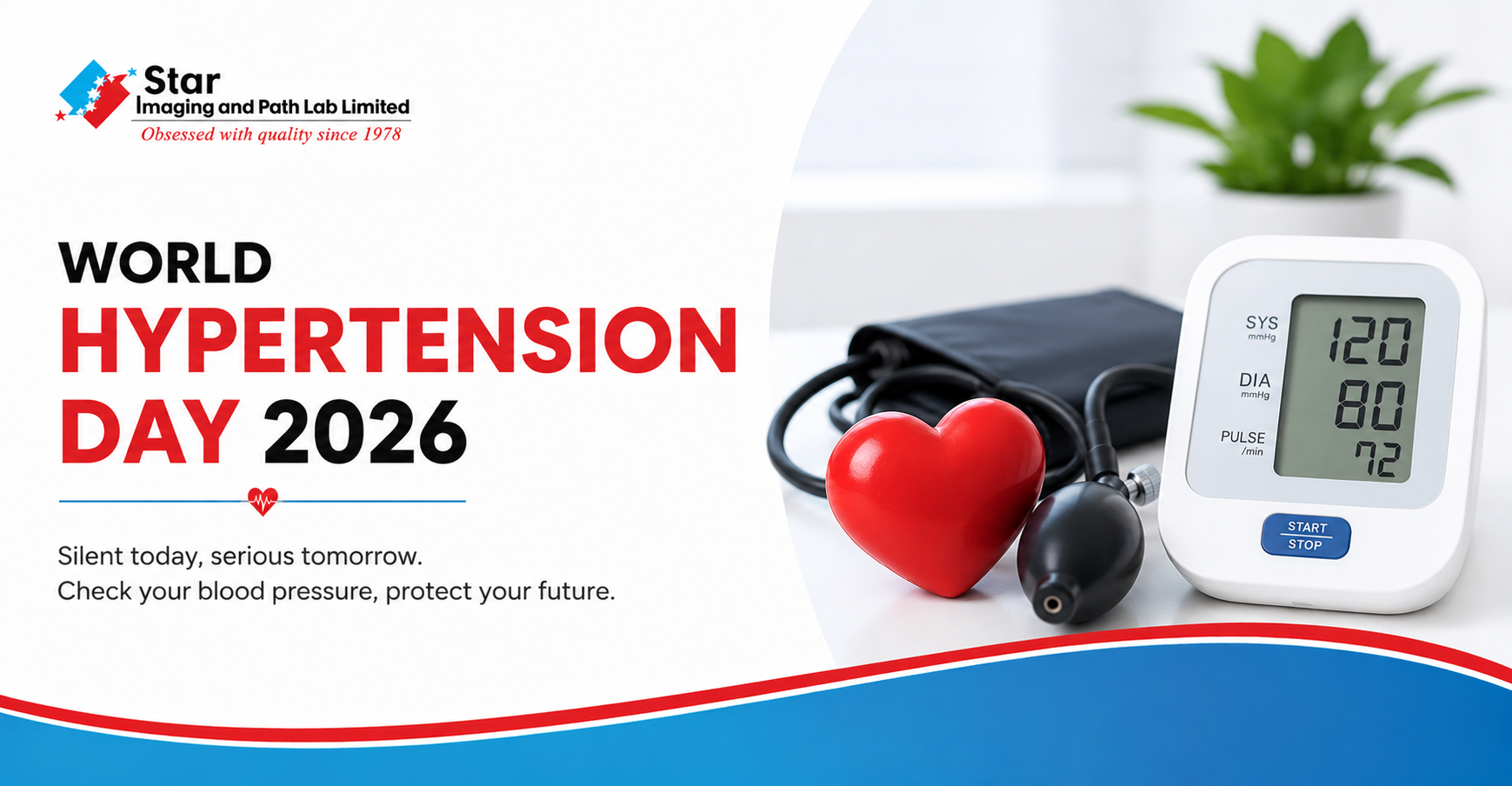
Every day, thousands of people wake up feeling perfectly fine with no fever, no pain, and no obvious warning signs while high blood pressure quietly affects the heart, brain, kidneys, and blood vessels in the background. That is what makes hypertension dangerous.
On this World Hypertension Day 2026, the focus is not just on hypertension awareness but also on the modern lifestyle habits that continue to increase high blood pressure cases across all age groups.
According to health experts worldwide, hypertension remains one of the leading causes behind heart disease, stroke, kidney disorders, and premature deaths. Yet many people only discover they have high blood pressure after a serious medical emergency. That is what makes it a silent killer disease. It can continue affecting the body for years without noticeable symptoms.
Modern Life Is Quietly Affecting Our Health
Long working hours. Fast food between meetings. Excess salt intake. Poor sleep cycles. Minimal physical activity. Constant digital overload.
Modern routines are quietly creating the perfect conditions for high blood pressure to develop.
Even younger adults are now reporting elevated BP levels during routine health checkups. A few years ago, hypertension was mostly associated with older adults. Today, people in their late 20s and early 30s are also facing the same problem.
The body is not built to stay stressed all the time. But modern life constantly pushes it into that state.
When stress levels remain high for long periods, blood vessels tighten and the heart starts working harder than it should. Over time, blood pressure slowly begins to rise. Smoking, alcohol consumption, obesity, diabetes, and family history can increase the risk even further.
The Signs Often Feel Small Until They Become Serious
One of the biggest reasons hypertension becomes dangerous is because symptoms may not appear early. In many cases, high blood pressure symptoms feel mild or get ignored completely.
Some people experience:
- Frequent headaches
- Dizziness or constant fatigue
- Chest discomfort
- Breathlessness
- Blurred vision
- Anxiety or restlessness
Many people brush these signs off as stress or exhaustion from a busy routine. But ignoring them for too long can be risky.
The positive side is that hypertension treatment and lifestyle management can make a major difference, especially when the condition gets detected early.
Simple habits like regular exercise, balanced meals, reduced salt intake, proper hydration, better sleep, stress management, and routine health screenings can help control blood pressure levels effectively.
Regular blood pressure monitoring is no longer something only older adults should think about. Preventive healthcare has become important for every age group.
Sometimes Prevention Matters More Than Treatment
Most serious health conditions become harder to manage because they are detected too late.
That is why preventive healthcare, routine blood pressure monitoring, and diagnostic health screening matter more than ever today.
Regular heart health checkups, pathology investigations, and radiology services can help identify hidden health risks before they turn into major complications.
At Star Imaging and Path Lab Limited, preventive healthcare is viewed as an important step toward protecting long term health. Because early detection can often change the entire outcome.
Hypertension FAQs People Actually Ask
Question: Is hypertension only caused by stress?
Answer: No. Stress is a major contributor, but hypertension can also result from genetics, obesity, diabetes, smoking, high salt intake, kidney disorders, hormonal imbalance, and sedentary lifestyles.
Question: Can young adults develop high blood pressure?
Answer: Yes. Increasing work stress, poor eating habits, lack of physical activity, and sleep deprivation are contributing to rising hypertension cases among younger adults as well.
Question: Is hypertension reversible?
Answer: In many cases, lifestyle modifications can significantly help control or reduce high blood pressure, especially when detected early. However, some individuals may still require long term medical management.
Question: How often should blood pressure be checked?
Answer: Adults should ideally monitor blood pressure during routine health checkups, especially if there is family history, stress, obesity, diabetes, or existing cardiac concerns.
Question: Why is hypertension called the silent killer?
Answer: Because many people experience no obvious symptoms until severe complications like stroke, heart attack, or kidney damage occur.
Question: Can healthy looking people have hypertension?
Answer: Yes. A person may appear completely healthy externally while elevated blood pressure silently affects internal organs. That is why regular screening matters.
This World Hypertension Day, the reminder is simple.
Do not wait for symptoms to start taking your health seriously.
Your body usually gives quiet signals before bigger problems appear.
And sometimes, a simple blood pressure check and timely heart health checkup can become the difference between prevention and emergency.


.jpg)
.png)
.png)
.jpg)
Comments List